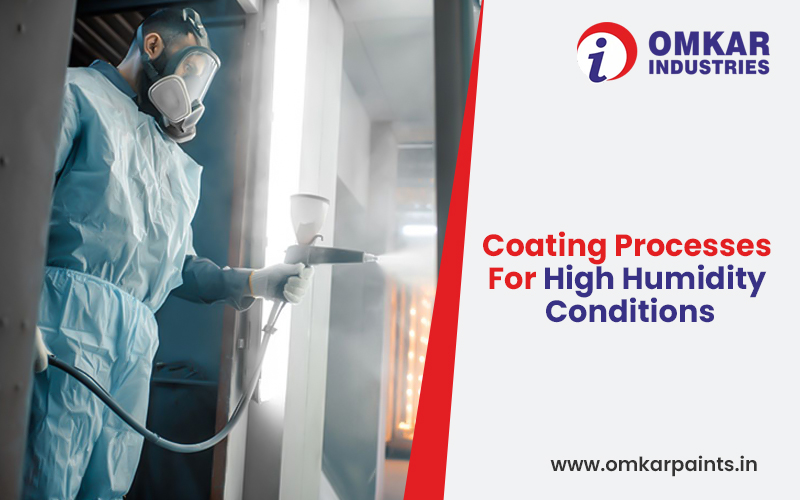
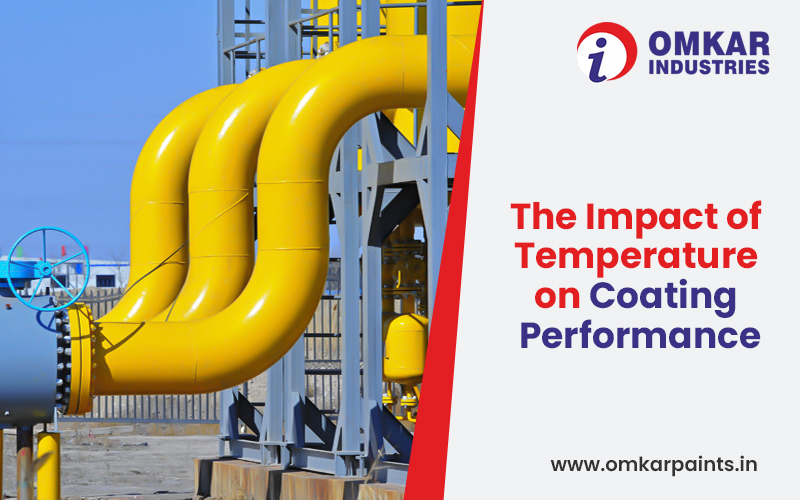
Industrial coatings are a refined protective layer of special materials to protect the metallic surface from corrosion, rust, defects, abrasions, etc. Many factors affect the coating procedure, such as the material used for coating, surface preparation, application method, and temperature. The coating needs to be done at the right temperature for an efficient result. Today, in this blog, we will specifically focus on the impact of temperature on the coating performance.
Types of Industrial Coatings
Industrial coatings are mainly applied to provide a protective and decorative layer to a variety of surfaces. They are popular among industrialists for their protective abilities more than their aesthetic value. These coatings are essential to prevent rusting, increase durability, and provide longevity to the equipment. There is a variety of coatings available in the market, such as,
- Omkar’s Epoxy Coating: Provides strong adhesion and chemical resistance.
- Epoxy High-Build Coating: Highly suitable for concrete, metal, and wood coverage.
- Polyurethane Coating: Offers excellent abrasion resistance, flexibility, and gloss retention.
- Zinc-rich Coating: Often used on steel surfaces as a primer. This layer acts as a sacrificial layer and protects the steel.
- Acrylic Coating: Used for automotive coverage due to its unique qualities, such as good color retention, fast drying, and corrosion resistance.
Impact of Temperature on Coating
Coating can behave differently in different weather; the wind, humidity, and sunlight all play a significant role in the coating procedure. Let’s understand how it reacts to cold and hot temperatures.
Coating at Low Temperature
Coatings applied at low temperatures will be nothing more than a waste of time, money, and labor. The coating will have a high viscosity in cold weather and lead to uneven application. This coating will be prone to discoloration and flakiness. After a time, the coating will start to come off. Therefore, avoid coating in temperatures below 10 °C.
Coating at High Temperature
Coating at high temperatures can lead to a drastic decrease in its viscosity, making the paint a lot thinner, resulting in rapid drying. This will make the coating uneven, which will give a bad appearance and zero protection. Rapid drying seems like a plus point, but it causes more harm. Rapid drying will make the coating less adhesive and can trap impurities and bubbles inside. This way, the coating will start to come off after a time, showing signs of blistering and flakiness.
Considerations while Coating
- Always work in the required temperature for your coating.
- Prepare the surface well before coating.
- Make sure the curing, hardening, and adhesion are completely done at the right temperature.
- Seek professional assistance.
- Buy a good-quality coating.
- Avoid chemical exposure.
Which Coatings are the Best?
Coating is a challenging procedure, but not for us! When it comes to the best quality coatings, there is no more prominent name than Omkar Industries. We deeply understand the expectations of a customer after coating. Our coatings are precisely curated to deliver high performance and long-lasting impact on the user’s mind. They are corrosion resistant, provide strong adhesion, and protect the surface for a long time. Our clients and their reviews have made us the best industrial paint suppliers in India. What are you waiting for? Make a call and place your order now.